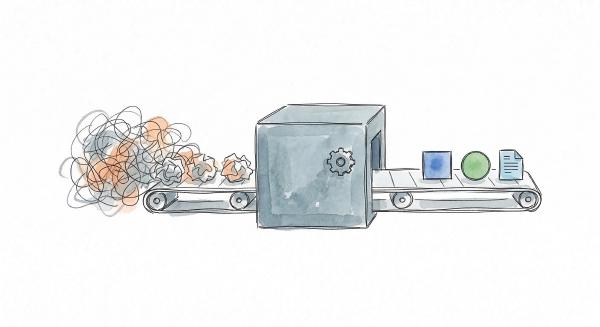
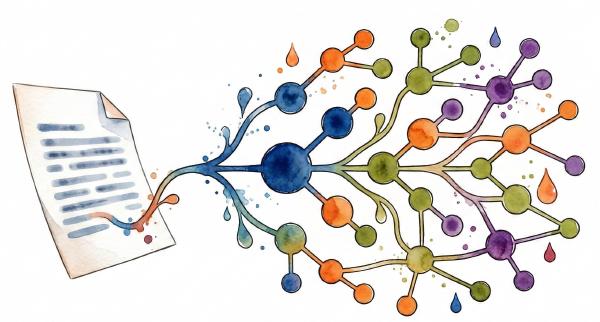
Here’s how the story often goes: you have this process at your company that absolutely has to be done — processing claims, triaging requests, reviewing documents — that kind of task that requires a human, but everyone involved would rather spend their time self-inflicting mild electric shocks as in that famous experiment about boredom rather than actually doing it, and you know that if you could just take it off people’s plates, the whole team would be better for it and get you a nice present. So you think “but wait, AI is all over the place today” and you decide to give it a try.
At ufirst we build AI-powered solutions while exploring what’s actually functional in this ever-shifting landscape. Our focus is utility and reliability, so we invest heavily in prototypes and tech demos before shipping anything to clients. Most explorations end up gathering dust in forgotten GitHub repos, yet sometimes we stumble upon findings worth sharing: patterns we believe will set standards for future implementations.
Why we chose Go over Python for production AI systems: type safety, performance, and zero compromises #
Building intelligent content generation pipelines with maintainable, human-readable prompt templates
When building AI-powered applications that go beyond simple chat interfaces, you quickly realize that prompt engineering isn’t just about writing good prompts; it’s about managing them. In complex workflows where multiple AI calls chain together, each with different parameters, models, and contextual data, the naive approach of hardcoding prompts as strings becomes a maintenance nightmare.